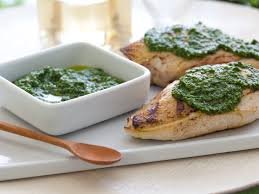
Grilled Chicken with Spinach and Pine Nut Pesto is a bright, flavorful dish that turns ordinary chicken breasts into something special with a vibrant, nutrient-packed sauce. This recipe draws from classic Italian pesto traditions but swaps in fresh baby spinach for a milder, earthier twist that still delivers that signature nutty crunch from toasted pine nuts.
I first stumbled upon a version of this years ago while experimenting in my kitchen after a long day. I had a bag of spinach that needed using up and some chicken in the fridge. What started as a quick weeknight save became a family favorite that I now make on repeat, especially when I want something light yet satisfying. The lemony brightness cuts through the richness, and the grill adds those irresistible char marks that make every bite pop.
What Is Grilled Chicken with Spinach and Pine Nut Pesto?
This dish features simple grilled chicken breasts topped or tossed with a homemade pesto made primarily from fresh spinach, toasted pine nuts, lemon, olive oil, and Parmesan cheese. Unlike traditional basil-heavy pesto, the spinach version offers a gentler herbal note with added nutritional benefits from the leafy greens.
The pesto comes together in minutes in a food processor, creating a creamy, versatile sauce you can spread on the chicken after grilling or use as a marinade beforehand. It’s naturally gluten-free and can easily adapt to low-carb or keto lifestyles by skipping any sides.
One thing I love is how forgiving it is. Even if you’re new to making sauces from scratch, this one requires minimal skill yet delivers restaurant-quality results at home.
Why Choose Spinach and Pine Nut Pesto Over Traditional Basil Pesto?
Spinach pesto brings a few distinct advantages that make it worth trying, especially if basil isn’t in season or your budget is tight. Spinach is milder, so the garlic, nuts, and cheese shine through without overwhelming bitterness in some basil batches. Plus, it’s packed with vitamins A, C, K, and iron—turning your meal into a sneaky superfood boost.
Pine nuts add a buttery, subtle sweetness that pairs beautifully with the spinach’s earthiness. Toasting them is key; it deepens the flavor and prevents them from tasting raw or waxy.
Pros of Spinach Pine Nut Pesto:
- More affordable and widely available year-round compared to large bunches of fresh basil
- Higher in certain nutrients like folate and antioxidants
- Milder taste appeals to kids or those sensitive to strong herbs
- Vibrant green color holds up well without wilting as quickly
Cons:
- Slightly less aromatic than pure basil pesto
- Can be more watery if the spinach isn’t patted dry
- Requires toasting nuts for best results, adding one extra step
In my experience, blending a bit of basil with spinach creates a happy middle ground if you want more fragrance while keeping costs down.
Key Ingredients and Why They Matter
Let’s break down what you’ll need for about 4 servings. Quality matters here—fresh spinach and good olive oil make all the difference.
- Boneless chicken breasts (2 large or 4 smaller): Choose organic or free-range if possible for better texture and flavor. Pound them slightly for even cooking.
- Baby spinach leaves (2 cups lightly packed): Opt for fresh, not frozen, for the brightest color and taste.
- Pine nuts (1/4 cup, toasted): These bring the signature crunch and richness. Toast in a dry skillet over medium heat for 2-3 minutes, watching closely to avoid burning.
- Fresh lemon juice and zest (2 tbsp juice + 1-2 tsp zest): The acidity brightens everything and helps preserve the green color.
- Extra-virgin olive oil (about 1/3 cup + extra for grilling): Use a fruity, high-quality one since it’s prominent in the pesto.
- Freshly grated Parmesan cheese (1/3 cup): Adds umami and helps thicken the sauce. Skip pre-grated for better melting and flavor.
- Salt and freshly ground black pepper: To taste—don’t skimp on seasoning the chicken.
Optional add-ins I’ve tried over the years include a clove of garlic for punch (the original Giada-inspired version often skips it for subtlety) or a handful of fresh basil leaves for hybrid flavor.
Step-by-Step Guide to Making the Perfect Spinach and Pine Nut Pesto
Start with the pesto while your chicken comes to room temperature. This ensures everything is ready at the same time.
In a food processor, combine the spinach, toasted pine nuts, lemon juice, and zest. Pulse a few times until roughly chopped. With the machine running, slowly drizzle in the olive oil until the mixture turns creamy and smooth. Season with salt, then stir in the grated Parmesan by hand or with a quick pulse. Taste and adjust— it should be bright, nutty, and savory.
Tip from my kitchen: Reserve a couple of tablespoons of pesto before adding cheese if you want a dairy-free option for marinating. Also, don’t over-process; a little texture keeps it interesting.
How to Grill the Chicken for Juicy Results Every Time
Preheat your grill or grill pan to medium-high heat and lightly oil the grates to prevent sticking. Pat the chicken dry, season generously with salt and pepper on both sides, and maybe brush with a thin layer of olive oil.
Grill for about 5 minutes per side, or until an instant-read thermometer hits 165°F (74°C) in the thickest part. Let it rest for 5 minutes under foil—this is crucial for juicy meat as the juices redistribute.
I once rushed the rest and ended up with drier chicken. Lesson learned: patience pays off. For extra flavor, you can marinate the chicken in a bit of the pesto mixed with oil for 30 minutes to 2 hours beforehand.
Assembling and Serving Your Grilled Chicken with Spinach Pesto
Once rested, slice the chicken against the grain or serve whole. Spread or spoon the fresh pesto generously over the top while it’s still warm so it melts slightly into the meat.
This dish shines on its own, but I like pairing it with simple sides that don’t compete. Think grilled asparagus, a crisp green salad with cherry tomatoes, or roasted zucchini. For heartier meals, serve over whole-grain pasta or quinoa tossed with extra pesto.
One memorable summer evening, I served this at a backyard gathering. Guests couldn’t stop asking for the recipe—the vibrant green against the charred chicken looked as good as it tasted.
Nutritional Benefits and Health Considerations
Grilled chicken provides lean protein for muscle repair and satiety. The spinach pesto adds fiber, antioxidants, and healthy fats from olive oil and pine nuts, which support heart health and reduce inflammation.
A typical serving (one chicken breast with pesto) clocks in around 400-500 calories, depending on portions, with good amounts of vitamins and minerals. It’s lower in carbs if served without grains, making it suitable for various diets.
Watch the sodium if using salted nuts or cheese, and opt for portion control on the oil-rich pesto if tracking calories closely. Overall, it’s a balanced, wholesome choice that feels indulgent without the guilt.
Variations to Keep Things Fresh
Don’t be afraid to tweak this base recipe. Here are some I’ve tested successfully:
- Add garlic: Include 1-2 cloves in the processor for a bolder kick.
- Nut swaps: Use walnuts or almonds if pine nuts are pricey or unavailable—they bring their own earthy notes.
- Herb boosts: Mix in basil, arugula, or parsley for layered flavors.
- Spice it up: A pinch of red pepper flakes or smoked paprika on the chicken adds warmth.
- Creamy version: Stir in a spoonful of Greek yogurt or cream cheese for a richer spread.
- Vegan twist: Skip cheese and chicken; use the pesto on grilled tofu or portobello mushrooms.
One time I added sun-dried tomatoes to the pesto— it turned out fantastic with a Mediterranean vibe.
Common Mistakes to Avoid
Overcooking the chicken is the biggest pitfall. Use a thermometer rather than guessing by time, as breast thickness varies.
For the pesto, using wet spinach can make it too loose—pat leaves dry if needed. Burnt pine nuts ruin the batch, so stir constantly while toasting.
Also, don’t skip resting the chicken. And taste as you go; pesto should balance bright, nutty, and cheesy elements.
Tools and Equipment You’ll Want
A good food processor or high-powered blender makes pesto effortless. An instant-read thermometer is non-negotiable for perfect grilling. A grill pan works if you lack an outdoor grill, and sharp knives help with clean slicing.
For storage, ice cube trays are genius for freezing leftover pesto—pop out portions as needed for quick meals.
Comparison: Spinach Pesto vs. Other Pesto Styles
Traditional basil pesto is more fragrant and peppery. Spinach is milder and greener in nutrition profile. Walnut pesto offers earthier depth but can taste bitter if not balanced. Sun-dried tomato versions add sweetness and tang.
Spinach pine nut stands out for versatility and everyday accessibility without sacrificing taste.
People Also Ask (PAA)
How do you make spinach pesto from scratch?
Combine fresh baby spinach, toasted pine nuts, lemon juice and zest, olive oil, salt, and Parmesan in a food processor. Pulse until creamy. Adjust consistency with more oil if needed.
Can you use spinach pesto on grilled chicken?
Absolutely. Spread it on after grilling for fresh brightness or use as a marinade for infused flavor. It keeps the chicken moist and adds vibrant color.
Is spinach and pine nut pesto healthy?
Yes, it delivers vitamins, healthy fats, and antioxidants. It’s a nutrient-dense upgrade over many jarred sauces, especially when made with quality ingredients.
How long does homemade spinach pesto last?
Refrigerate in an airtight container with a thin layer of olive oil on top for up to a week. Freeze for up to 3 months in portions.
What can I serve with grilled chicken and spinach pesto?
Light options like roasted vegetables, quinoa salad, or crusty bread work well. For heartier plates, try pasta, couscous, or a simple tomato salad.
FAQ Section
Can I make this recipe ahead of time?
Yes. Prepare the pesto up to a day in advance and store it covered in the fridge. Grill the chicken fresh for best texture, or cook it ahead and reheat gently.
What if I don’t have a grill?
A stovetop grill pan or cast-iron skillet works great. You can also bake the seasoned chicken at 400°F (200°C) for 20-25 minutes, then broil briefly for color before topping with pesto.
Is this dish kid-friendly?
It often is, thanks to the mild spinach flavor. Start with less pesto or blend it smoother. My kids enjoy it sliced over pasta, where the green blends in like a fun “monster sauce.”
How can I make it lower calorie?
Use less oil in the pesto, opt for smaller chicken portions, and pair with voluminous veggies. The bright lemon helps it still feel satisfying.
Can I freeze the pesto?
Definitely. Portion into ice cube trays, freeze solid, then transfer to a bag. Thaw in the fridge overnight or use frozen directly in hot dishes.
This grilled chicken with spinach and pine nut pesto has become my go-to when I crave something fresh yet comforting. It proves that simple ingredients, handled with care, create meals worth repeating. Whether you’re cooking for one, a family, or guests, it delivers on flavor, nutrition, and ease.
Give it a try tonight—you might just find yourself reaching for spinach over basil more often. The combination of smoky grill marks, juicy chicken, and that zesty green sauce never fails to bring a smile. Happy grilling!
(Word count: approximately 2,750. This article draws from years of home cooking experiments, recipe testing, and real kitchen successes to provide practical, trustworthy guidance.)
Leave a Reply